

Pregnancy comes with a lot to keep track of. Regular checkups, food, supplements, and many other little things fill your days, so vaccinations can easily slip your mind. Don’t worry, that’s okay.
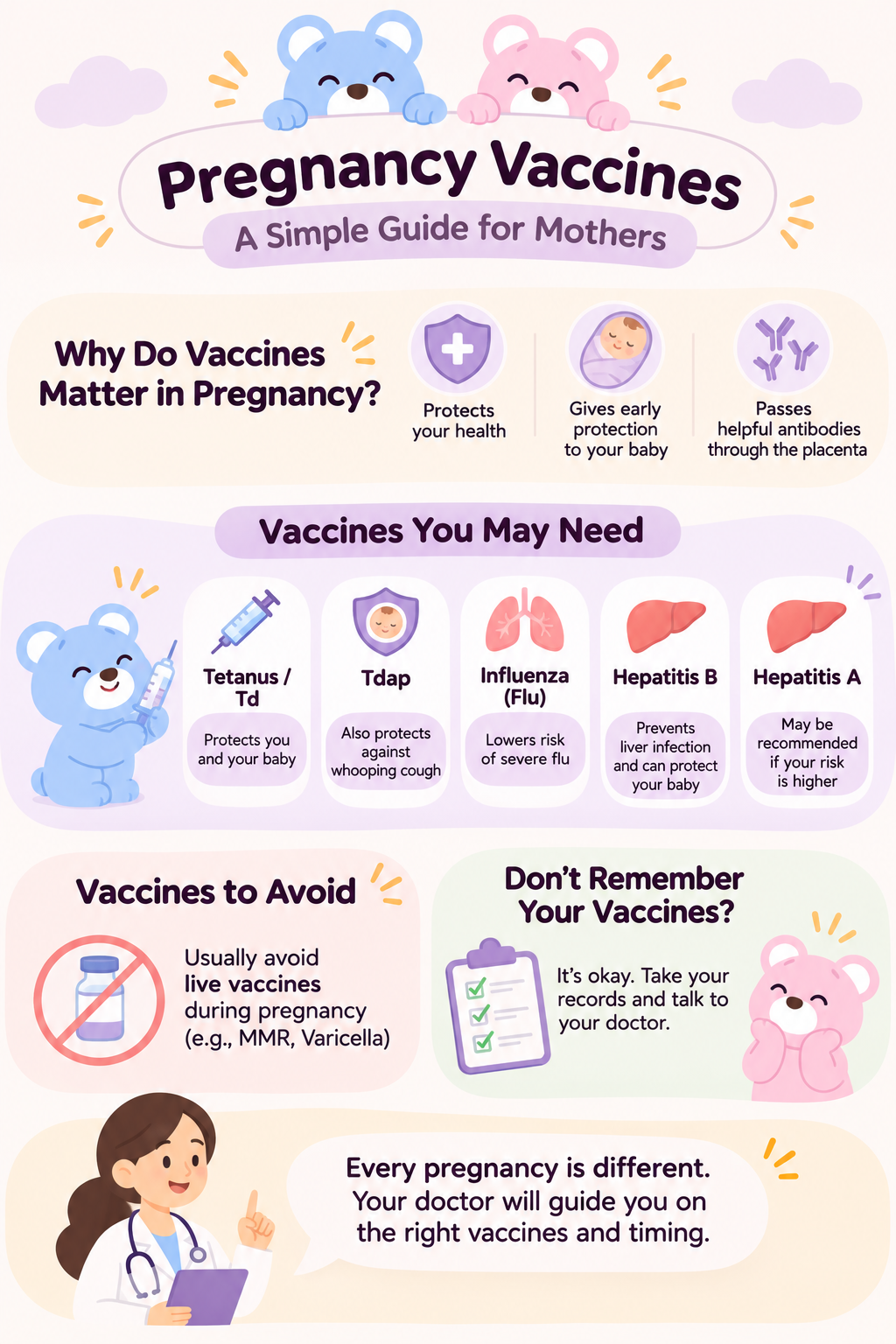
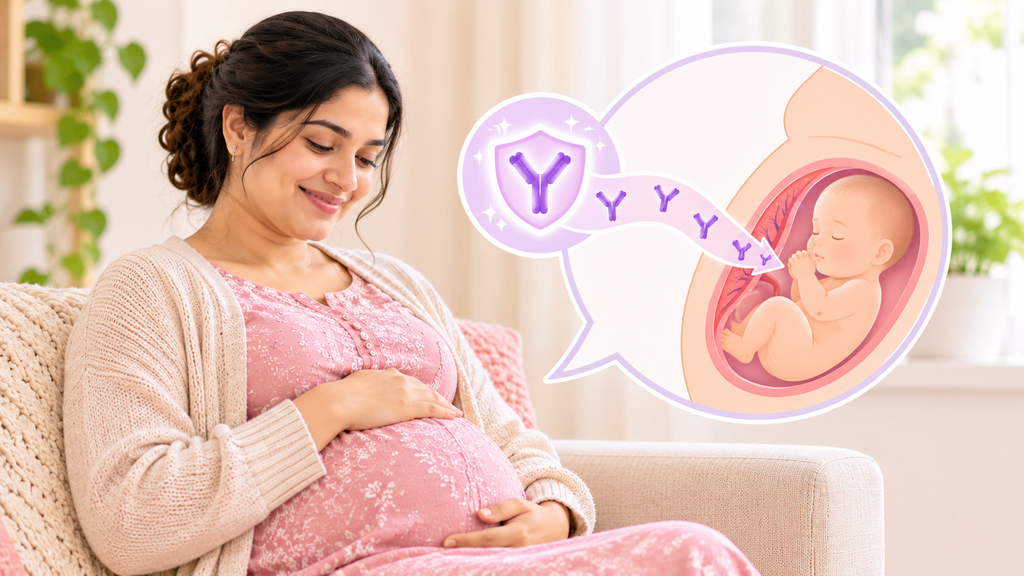
Vaccinations are an important part of pregnancy care. Some infections can be more serious during pregnancy, and they may also affect your baby. A few vaccines protect you directly. The antibodies your body makes can also cross the placenta. They give your baby some protection during the first few months after birth.
So, which vaccines might you need during pregnancy, and which should you avoid? Let’s keep it simple.
Why Are Vaccinations Important During Pregnancy?
Your body goes through many changes during pregnancy. Your immune system changes too, which can make some infections harder to handle.
The right vaccine helps your body prepare to fight these infections. There is a lovely added benefit as well. Some of the antibodies you develop can cross the placenta and reach your baby before birth.
This means your baby gets some early protection before they’re old enough for many of their own vaccines.
Every pregnancy is different, so don’t worry if your schedule doesn’t match someone else’s. Your doctor will look at your health, your vaccination history, and the infections you may face before recommending anything.
Tetanus and Td Vaccine
Tetanus is a serious bacterial infection that can affect the nervous system. It can also endanger newborn babies, especially when infection enters through an unhealed umbilical stump.
Tetanus vaccination during pregnancy protects the mother. It can also help protect the baby from neonatal tetanus.
Not sure whether you had your earlier tetanus vaccinations? Don’t worry about that either. Your doctor can check your vaccination history and may recommend two doses during pregnancy. They usually give the second dose about four weeks after the first.
If you already received the recommended doses in a previous pregnancy, you may only need a booster. It depends on when you had them.
Tdap Vaccine
Tdap protects against tetanus, diphtheria, and pertussis, which people also call whooping cough.
Whooping cough can be especially dangerous for newborns. They’re too young to have finished their own vaccination schedule. Vaccination during pregnancy helps your body produce antibodies. These antibodies may pass to your baby before birth.
The right timing depends on your situation and previous vaccinations. Your doctor can guide you on when to get it.
Unsure whether you need it? That’s completely fine. Just ask your doctor, who can walk you through it.
Influenza Vaccine
You might think of the flu as something that passes in a few days. Pregnancy, however, can make influenza more serious.
Your immune system, heart, and lungs all change during pregnancy. These changes can raise the risk of severe illness and hospitalization. Influenza can also increase the risk of complications such as premature labour and delivery.
Your doctor can recommend the inactivated influenza vaccine during pregnancy. It helps protect both you and your baby through the antibodies you pass on.
Remember that not all flu vaccines are the same. Doctors generally don’t recommend the live attenuated influenza vaccine, which comes as a nasal spray, during pregnancy.
Hepatitis B Vaccine
Hepatitis B is a viral infection that affects the liver. One of the biggest concerns during pregnancy is that the infection can pass from mother to baby.
Babies who become infected face a much higher risk of long-term infection. This can later cause serious liver problems.
The hepatitis B vaccine is an inactivated vaccine. Pregnancy itself isn’t a reason to avoid it. It may be especially important for women with a higher risk of exposure to hepatitis B.
If a mother has hepatitis B infection, doctors can take steps to protect the baby after birth. The newborn should receive hepatitis B immunoglobulin and the first vaccine dose as soon as possible. This should happen no later than 12 hours after delivery.
Your doctor will usually test for hepatitis B during pregnancy and tell you what to do. You don’t need to figure this out on your own.
Hepatitis A Vaccine
Hepatitis A is another viral infection that affects the liver. It can spread through contaminated food or water.
Doctors may consider the hepatitis A vaccine during pregnancy when your risk of exposure is higher. They may also consider it when the infection itself could be particularly serious.
Because it uses an inactivated virus, experts expect the risk to the developing baby to be low. Your doctor will still decide whether you actually need it, based on your circumstances.
If you come into contact with hepatitis A while pregnant, your doctor may also recommend immune globulin for protection.
Which Vaccines Should You Avoid During Pregnancy?
Remember that not all vaccines are the same.
Doctors generally avoid live vaccines during pregnancy. In theory, the weakened virus could cross the placenta and affect the developing baby.
Examples include the MMR vaccine for measles, mumps, and rubella, and the varicella vaccine for chickenpox. A few other live vaccines also fall into this group.
If you need one of these vaccines, don’t worry. It doesn’t mean you can never get it. Your doctor may recommend getting it before pregnancy or after your baby arrives instead.
Don’t assume that every vaccine is unsafe during pregnancy, though. Inactivated and toxoid vaccines differ from live vaccines, and doctors can recommend some of them when protection matters.
What If You Don’t Remember Your Vaccines?
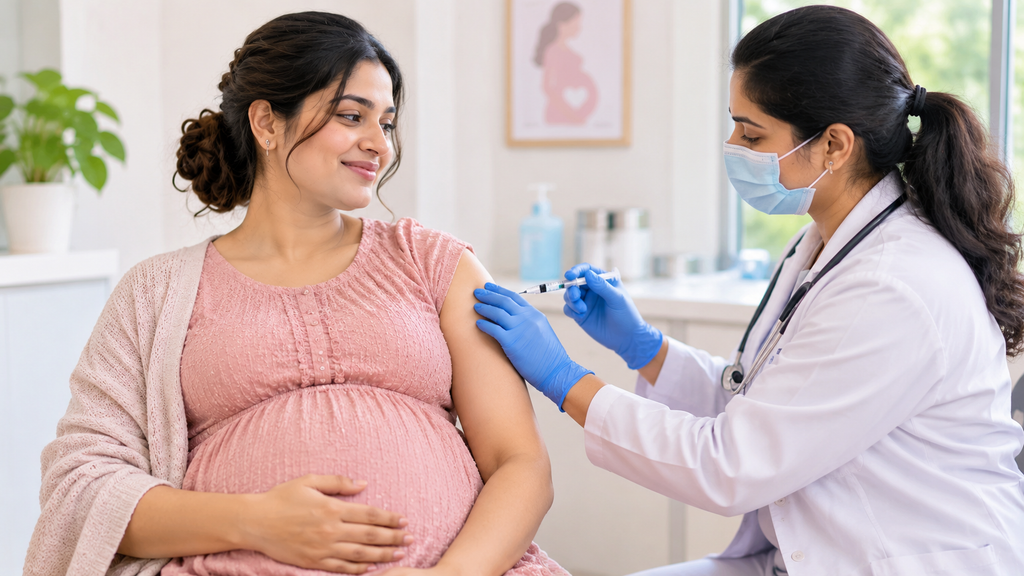
Honestly, don’t worry if you can’t remember which vaccines you’ve had. You don’t need to have everything figured out before you speak to your doctor.
Take whatever vaccination records you have with you. Your healthcare provider can then look at your history. They can decide whether you need another dose, a booster, or no additional vaccination right now.
If you’re planning a pregnancy, it also helps to check your vaccination history beforehand. You can get some vaccines before conception that doctors avoid during pregnancy.
Final Thoughts
Vaccinations during pregnancy can protect both you and your baby from certain infections. In some cases, the antibodies you develop can also give your baby early protection after birth.
But remember, you don’t have to work all of this out yourself. You definitely don’t need to panic if you’re not sure what you’ve had before.
Every pregnancy is different. Your doctor can look at your vaccination history, your health, and your risk of exposure. Then they can help you understand what’s right for you.
So, if you’re pregnant and wondering whether you’ve missed something, take a breath. It’s okay. Just speak to your healthcare provider, and take your vaccination records along if you have them. One conversation can help you understand what you and your baby need, and when.
Medical Sources
- https://pmc.ncbi.nlm.nih.gov/articles/PMC4964703/
- https://nhm.gov.in/New_Updates_2018/NHM_Components/Immunization/Guildelines_for_immunization/Td_vaccine_operational_guidelines.pdf
- https://www.cdc.gov/vaccines-pregnancy/hcp/vaccination-guidelines/index.html
This article is for general information only and is not a substitute for professional medical advice.